.png.bd9806eee33965a603c3a03374663758.png)

For years, many people believed skinhead culture had faded into history. Yet across Europe, Asia, and underground punk scenes worldwide, a new generation is quietly reviving the spirit of traditional skinhead culture through music, fashion, and working-class identity.
In recent years, Oi! music and classic skinhead style have seen a noticeable resurgence among younger punk fans. Modern bands influenced by old-school street punk, ska, and hardcore are attracting a new audience interested in the roots of the culture rather than political extremism.
The Return of Oi!
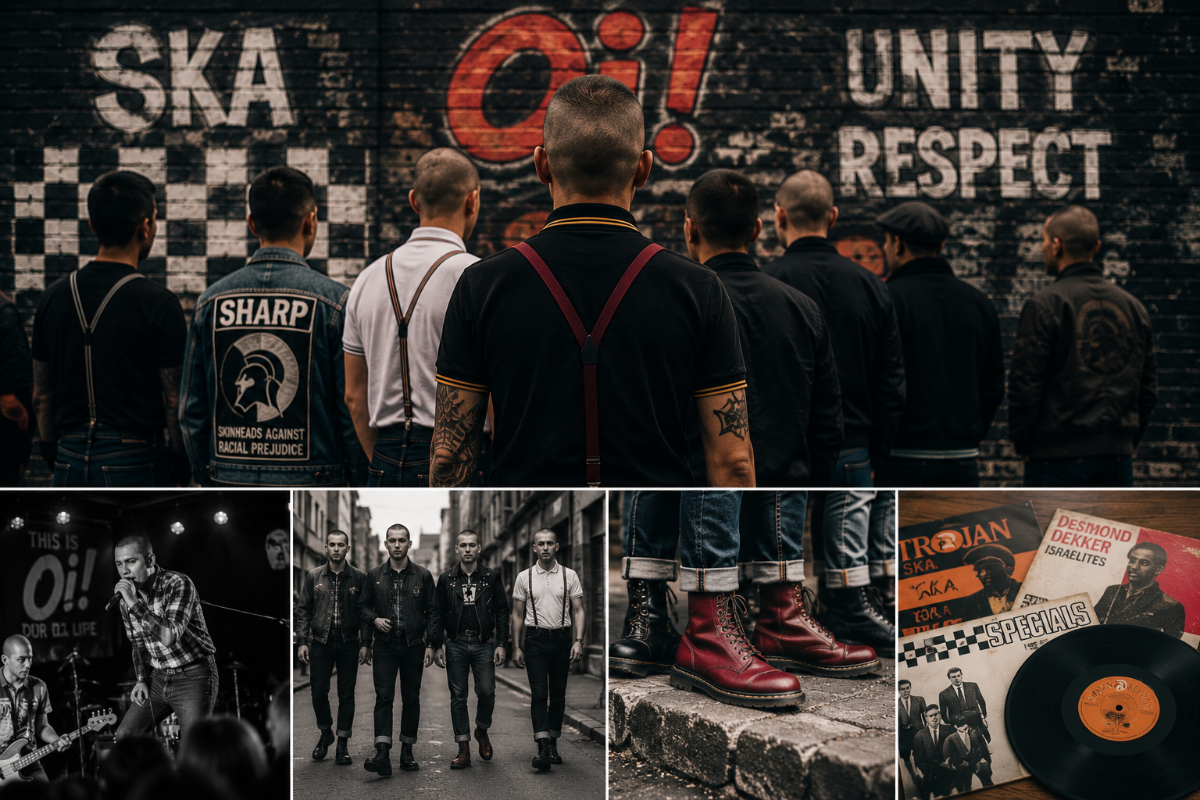
One of the clearest signs of this revival can be seen in the growing popularity of modern Oi! bands across Europe. In France, a movement often called “Cold Oi” has emerged, blending classic street punk energy with post-punk and coldwave influences. Bands such as Syndrome 81, Rancoeur, and Rixe have helped introduce Oi! music to a younger audience while maintaining its raw working-class identity.
Unlike the aggressive political image often associated with the genre in the past, many modern bands focus more on everyday life, urban struggles, friendship, and underground culture. The sound remains loud, direct, and emotional — but with a more modern atmosphere influenced by post-punk and alternative music.
The revival is not limited to Europe. Underground scenes in Asia, including Malaysia, Indonesia, Japan, and Singapore, continue to support traditional skinhead and street punk culture through gigs, independent labels, and DIY communities.
Malaysia Still Represents
Malaysia’s underground Oi! and street punk scene remains respected internationally. Recently, Malaysian Oi!/Street Punk band ACAB was announced for a London performance at the legendary Underworld Camden venue — marking a major moment for Southeast Asian skinhead and punk culture.
For longtime fans, this shows that the Malaysian scene still carries influence beyond local borders. Bands from Southeast Asia continue to represent the raw energy and spirit that originally made Oi! culture powerful.
Beyond The Stereotypes
One major reason for the renewed interest in skinhead culture is a growing awareness that the original movement was never entirely about politics or racism. Historians and music writers increasingly highlight the multicultural roots of the scene, especially its strong connection to Jamaican ska, reggae, and rude boy culture.
Traditional skinhead culture was originally built around music, fashion, working-class pride, football culture, and street identity. Early skinheads listened heavily to ska and reggae before Oi! music later became connected to the second wave during the punk era.
This distinction has become important for many younger fans who want to separate classic skinhead culture from extremist groups that later tried to hijack the image.
Social Media and the New Generation
Platforms like Instagram, TikTok, YouTube, and online forums have also helped younger people discover vintage skinhead fashion, vinyl collections, ska music, and Oi! bands from the 1970s and 1980s. Rare footage, old gig posters, and classic Dr. Martens styles regularly circulate online, creating renewed interest in the culture’s aesthetic and history.
Communities discussing Trojan Records, Spirit of ’69 culture, and SHARP (Skinheads Against Racial Prejudice) have also become more visible online.
While modern skinhead culture remains underground, its influence is clearly returning through fashion, music, and youth identity. The boots, braces, shaved heads, and street anthems never truly disappeared — they simply evolved with a new generation.
For many younger fans today, skinhead culture is no longer about old political headlines. Instead, it represents authenticity, music, loyalty, and working-class roots that continue to survive decades after the original Spirit of ’69.
.png)


























Recommended Comments
Join the conversation
You can post now and register later. If you have an account, sign in now to post with your account.