.png.bd9806eee33965a603c3a03374663758.png)
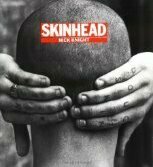
For decades, the word “skinhead” has been misunderstood by mainstream media and popular culture. Many people immediately associate the skinhead movement with racism, neo-Nazism, or violent extremism. However, the real history of skinhead culture tells a very different story — one rooted in working-class pride, multicultural unity, music, and street fashion.
The original skinhead movement began in late 1960s Britain, particularly in working-class neighborhoods of London. It emerged from a mixture of British mod culture and Jamaican rude boy influence, creating a unique youth subculture that celebrated identity, music, and brotherhood.
The Birth of the Skinhead Movement
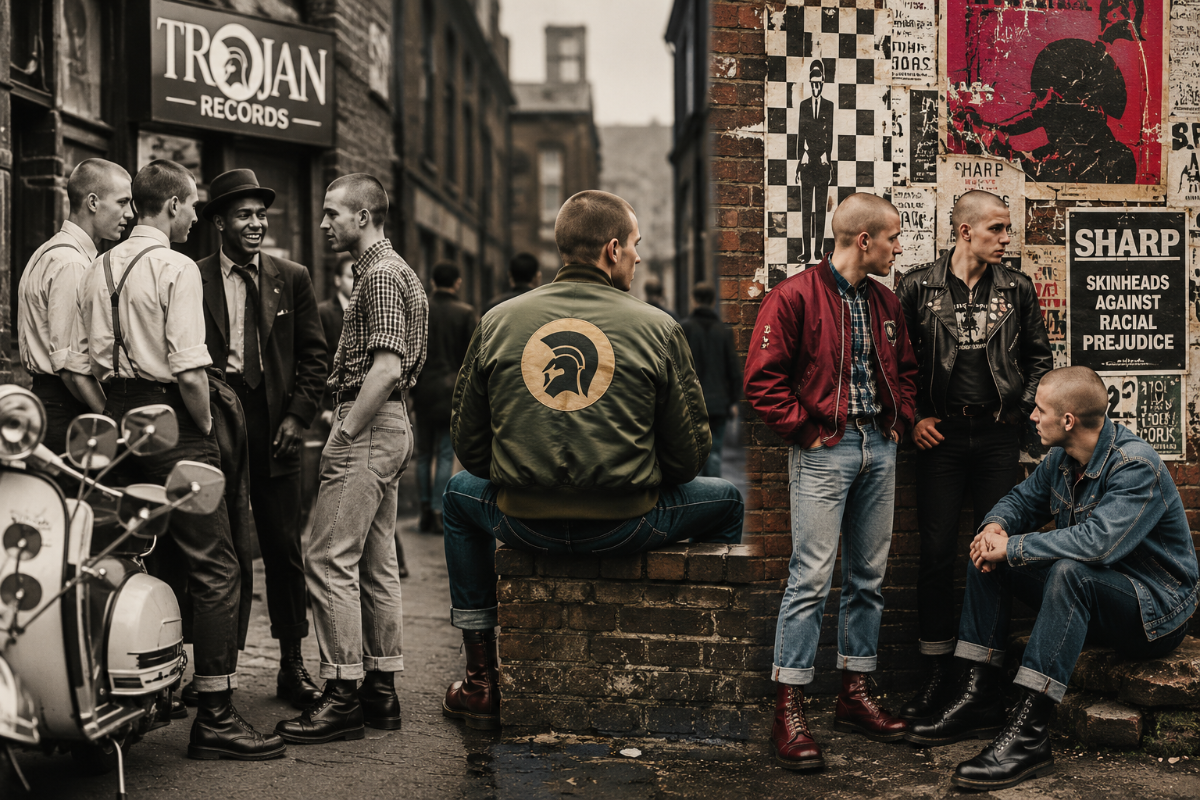
The first generation of skinheads were primarily working-class youths who rejected both upper-class conservatism and the hippie movement of the 1960s. Instead of embracing peace-and-love ideals, they built their own culture around sharp clothing, clean appearances, music, football culture, and life on the streets.
One of the most important influences came from Jamaican immigrants living in the UK. British youths shared neighborhoods, clubs, dance halls, and music scenes with Jamaican communities, leading to the rise of a multicultural identity built around ska, rocksteady, reggae, and soul music.
This connection is why early skinheads listened heavily to artists released under labels like Trojan Records, which became iconic within the scene. The classic skinhead style — Dr. Martens boots, rolled-up jeans, braces, Harrington jackets, and shaved hair — was inspired as much by Jamaican rude boys as British street fashion.
Spirit of ’69
Among traditional skinheads, the phrase “Spirit of ’69” represents the golden era of the movement. It symbolizes the original skinhead identity before politics and extremism divided the culture.
During this period, skinhead gatherings revolved around music, pubs, football, scooter culture, and working-class solidarity. Ska and reggae were central to the movement, proving that the early skinhead scene was deeply connected to Black music and multicultural influence.
Contrary to modern stereotypes, many early skinheads saw themselves as apolitical or simply proud of their working-class roots.
From Ska to Oi!
By the late 1970s, Britain faced economic hardship, unemployment, and growing frustration among working-class youth. Around the same time, punk rock exploded across the UK, bringing raw energy and anti-establishment attitudes.
Skinhead culture experienced a revival during this era and became closely connected to punk music. This led to the rise of Oi! music — a street-level form of punk rock focused on working-class life, friendship, football culture, pubs, and social frustration.
Bands like Sham 69, Cock Sparrer, Cockney Rejects, and The 4-Skins became closely associated with the scene. Oi! music retained the spirit of working-class identity while mixing punk aggression with the communal energy of the original skinhead movement.
At the same time, the 2 Tone ska revival helped reconnect skinhead culture with its Jamaican roots. Bands like The Specials and Madness combined ska rhythms with punk energy, promoting racial unity during a period of rising social tension in Britain.
The Hijacking of the Image
In the late 1970s and early 1980s, far-right political groups such as the National Front began targeting disillusioned youths within the skinhead scene. Some factions adopted racist ideologies, creating the image that would later dominate media coverage.
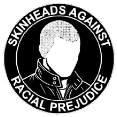
However, many traditional skinheads rejected this direction completely. Anti-racist groups such as SHARP — Skinheads Against Racial Prejudice — were formed to reclaim the original spirit of skinhead culture and oppose neo-Nazi factions.
SHARP members continued embracing ska, reggae, soul, Oi!, and working-class unity while rejecting racism and political extremism. The movement spread internationally and became an important part of preserving traditional skinhead identity.
More Than a Stereotype
Today, skinhead culture remains diverse and often misunderstood. While extremist groups did exist and gained media attention, they never represented the entire movement. Many skinheads worldwide continue to celebrate the original values of the culture: music, unity, style, loyalty, and working-class pride.
The real history of skinhead culture is not simply a story about politics or violence. It is a story about multicultural Britain, Jamaican musical influence, youth identity, and the evolution of street culture from ska dance halls to Oi! punk concerts.
From ska to Oi!, the skinhead movement remains one of the most influential — and misunderstood — subcultures in modern history.
























Recommended Comments
There are no comments to display.
Join the conversation
You can post now and register later. If you have an account, sign in now to post with your account.